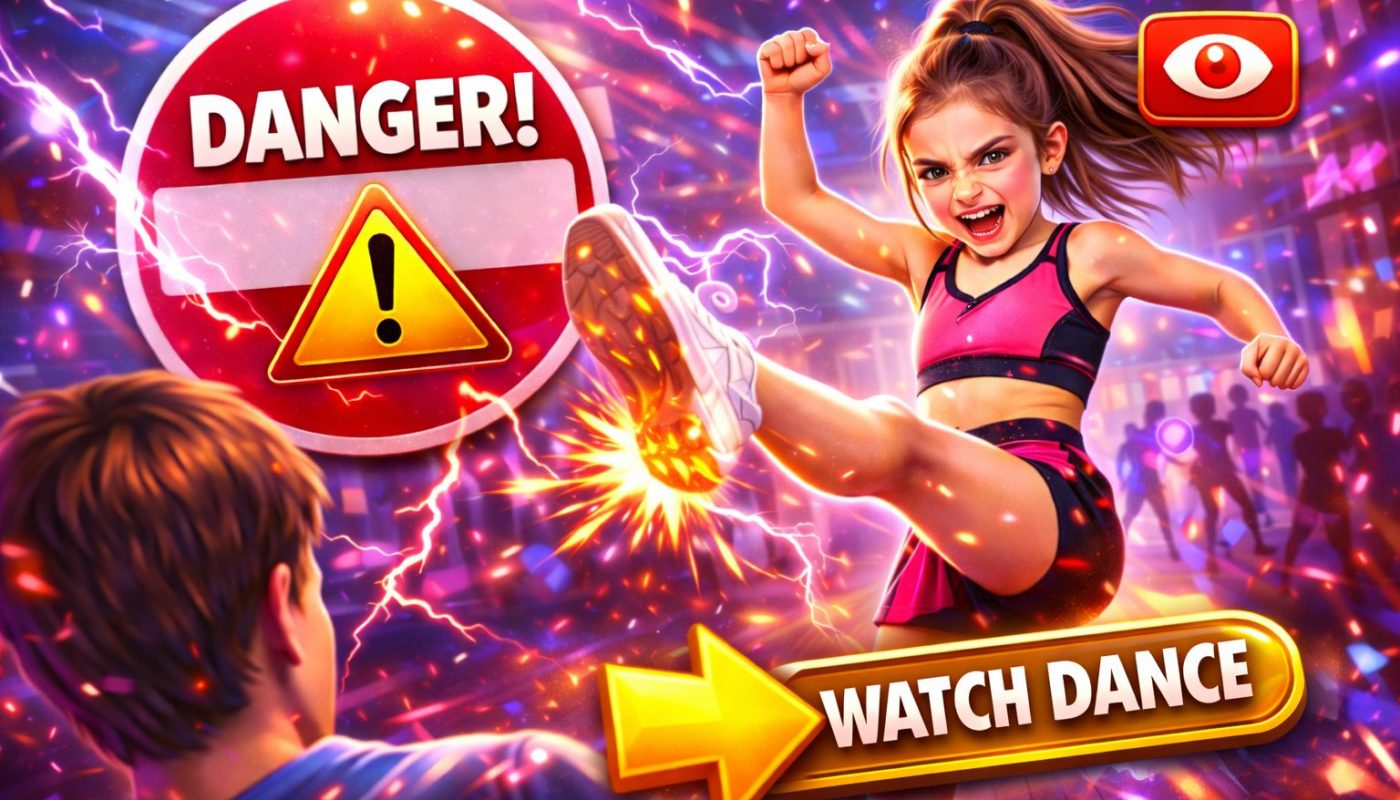
There is a funny rule many viewers have noticed after watching several videos featuring Salish Matter: the moment she starts dancing, the entire scene changes. The camera might show multiple people at first, but once the music kicks in and she begins moving, attention quickly shifts in her direction.
That is why many fans jokingly say you should never walk up to Salish Matter while she is dancing. It is not because anything bad will happen. It is simply because when she gets into dance mode, she tends to steal the entire moment. Anyone who walks into the frame suddenly becomes part of a comparison they probably were not expecting.
These moments have become entertaining to watch because they show how confidence, energy, and personality can completely change the atmosphere of a video.
The moment the music starts, the spotlight moves
In many short videos, the first few seconds decide everything. If something interesting does not happen quickly, people scroll away. Salish Matter understands how fast social media works, and her dancing often brings an instant burst of energy to the screen.
When she starts dancing, the movement feels confident and expressive. Even simple steps can look exciting when they are performed with the right timing and attitude. Because of that, viewers often focus directly on her.
Anyone walking toward her in that moment can accidentally become part of the scene in a funny way. Sometimes they try to keep up with the dance, sometimes they look surprised, and sometimes they just stand there not knowing what to do next.
That unexpected reaction is often what makes the clip even more entertaining.
Confidence changes everything in a dance video
One reason Salish Matter’s dancing stands out is confidence. Dancing in front of a camera can feel awkward for many people, especially when others are watching. But when someone moves confidently, it makes the whole performance feel stronger.
Confidence affects posture, expressions, and timing. When viewers see someone who looks comfortable and relaxed while dancing, they tend to stay engaged longer.
That is also why approaching someone who is already fully focused on dancing can feel strange. The dancer is already in performance mode, and suddenly another person enters the scene without being part of the rhythm.
That contrast is exactly what viewers notice.
Body language tells the whole story
In dance videos, body language matters just as much as the actual moves. Salish Matter often uses expressive reactions and playful gestures that make the dance feel lively.
If someone walks up to her in the middle of that moment, their reaction becomes part of the story. Maybe they laugh, maybe they look confused, or maybe they try to join the dance. Whatever happens, viewers immediately notice the interaction.
Dance videos work best when the energy matches
When two or more people appear in a dance video, their energy needs to match for the scene to feel balanced. If one person is dancing confidently while the other looks unsure, the difference becomes very visible.
This is another reason people jokingly say you should never walk up to Salish Matter while she is dancing. If someone enters the frame without matching the same energy, the contrast becomes part of the entertainment.
Viewers often focus on who seems more confident, who reacts faster to the beat, and who looks like they are enjoying the moment the most.
Rhythm makes a big difference
Music has a rhythm, and dancers who follow it closely usually look smoother on camera. Salish Matter’s movements often follow the beat clearly, which makes her dancing feel natural.
If someone steps into the frame without catching the rhythm right away, it can create a funny mismatch that viewers instantly notice.
Reactions make the moment even better
One of the reasons these dance clips become memorable is the reactions from people nearby. When someone unexpectedly walks into a dance scene, their facial expression can add humor or surprise to the video.
Some people laugh and try to join the dance. Others freeze for a second because they did not expect the performance. Those reactions create small storytelling moments inside the clip.
Salish Matter dancing videos often work well because they include that kind of spontaneous interaction.
Short videos reward big personality
On platforms where videos last only a few seconds, personality becomes extremely important. Creators who show strong energy and expression usually stand out faster than those who stay quiet or reserved.
Salish Matter’s dancing works well in short-form videos because her energy is easy to recognize immediately. The movements are clear, the expressions are playful, and the timing usually matches the music perfectly.
Because of that, anyone who walks into the frame while she is dancing automatically becomes part of a high-energy moment.
If they are not ready for it, the scene can become unexpectedly funny.
Why viewers enjoy these situations so much
Many viewers enjoy watching moments where something unexpected happens. Dance videos often start as a simple performance, but when another person suddenly appears, the dynamic changes.
The viewer begins to watch both people at the same time.
Who reacts first?
Who keeps dancing?
Who looks surprised?
These small questions make the video more interesting to watch.
That is why clips where someone approaches Salish Matter while she is dancing often get attention. The interaction between confidence and surprise creates a moment people want to replay.
Dancing creates instant entertainment
Dance content is popular online because it combines movement, music, and personality in a very short time. A dance clip does not need a long explanation. The viewer understands the situation immediately.
Salish Matter dancing moments often feel energetic and playful, which helps them work well in fast videos. When someone interrupts that moment by walking into the frame, it adds an extra layer of entertainment.
The video becomes more than just a dance. It becomes a small story happening in real time.
Why people joke about staying away during the dance
The phrase about never walking up to Salish Matter while she is dancing is really just a playful exaggeration. It reflects how strong her presence can be during those moments.
When someone is fully focused on dancing with confidence, the energy becomes contagious. Everyone around them either joins the vibe or becomes part of the reaction.
In social media videos, those reactions are often the most entertaining part.
So the “rule” is not serious. It is simply a fun way of describing what tends to happen when Salish Matter starts dancing and someone unexpectedly steps into the scene.
Questions people often ask about Salish Matter dancing videos
Why do Salish Matter dance clips get so much attention?
Because they combine music, confidence, and strong expressions. These elements make short videos more entertaining and easier to watch repeatedly.
Is dancing important for social media content?
Dancing is one of many creative ways to make engaging videos. It works well because it mixes movement with music, which quickly captures attention.
Why do reactions from other people matter?
Reactions add personality to the video. When someone nearby responds with surprise or laughter, it makes the moment feel more natural and entertaining.
Can anyone learn to dance like this?
Yes. Many dancers improve by watching trends, practicing simple moves, and building confidence over time.
Why do people replay dance videos?
Dance videos often have clear rhythm and expressive movements, which make them enjoyable to watch more than once.
A simple moment that turns into entertainment
In the end, the idea of never approaching Salish Matter while she is dancing is simply a playful way of describing how much energy those moments can have. When someone dances with confidence and personality, the whole scene changes.
People nearby either join the dance, react to it, or become part of the moment in an unexpected way.
And that is exactly what makes these clips fun to watch. A simple dance can turn into a memorable moment the instant someone steps into the frame at the wrong time.
This article you may also be interested in: